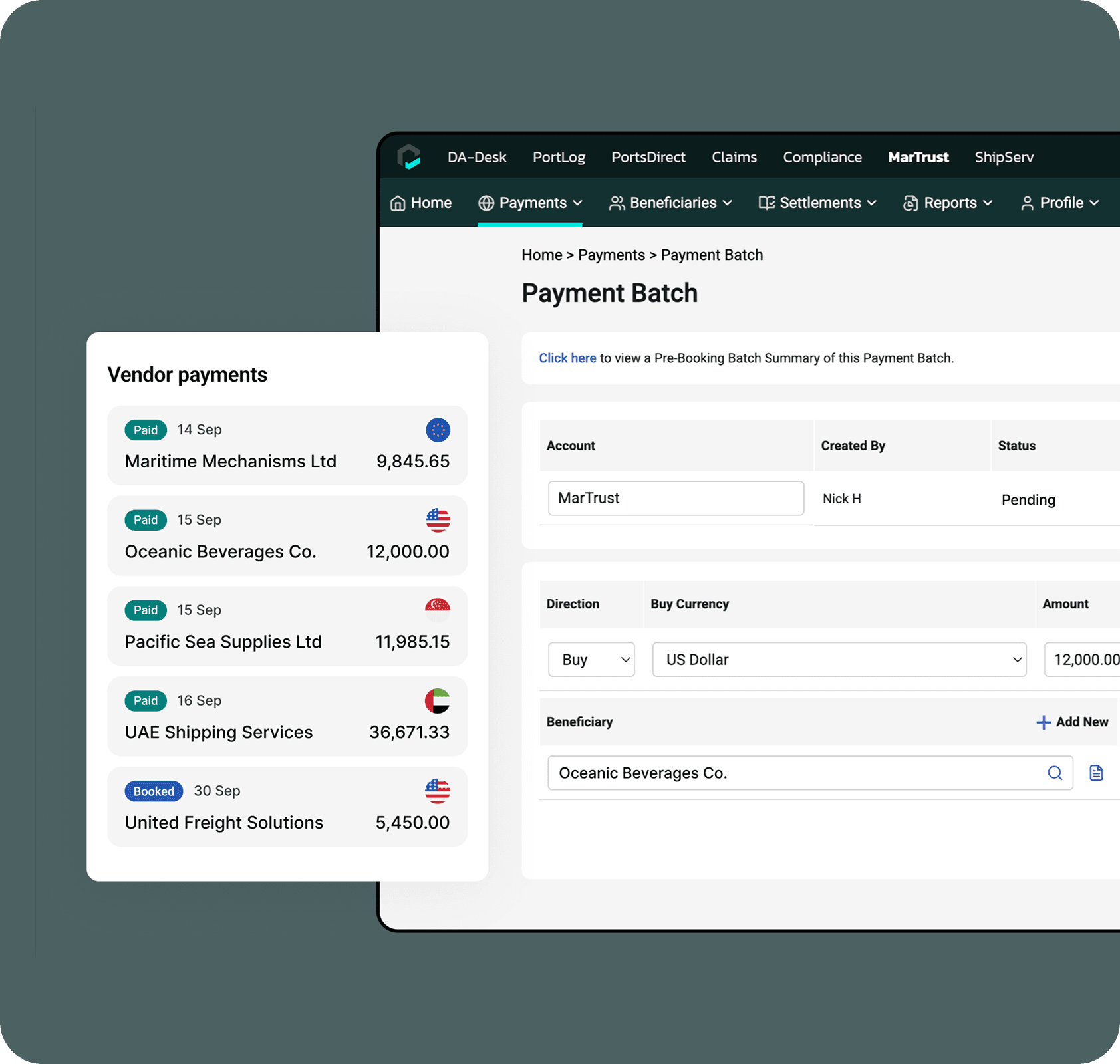
每家航运企业内部都在运行着两条应付账款(AP)工作流。但您的ERP系统中只记录了其中一条。
为什么实际 brains的航运应付账款(AP)流程存在于电子邮件而非系统记录中,以及这对审计追踪、审批流和财务控制意味着什么。

由 埃里克·安德里亚科斯
MarTrust 首席商务官
本文是我们关于如何消除航运业采购到付款工作流程中控制差距系列文章的一部分(七篇之三)
u4e3au4ec0u4e48u822au8fd0u516cu53f8u5728 ERP u4e4bu5916u7ba1u7406u5e94u4ed8u8d26u6b3euff1f
u5927u591au6570u822au8fd0 ERP u4ec5u8bb0u5f55u6700u7ec8u5165u8d26u7684u4ea4u6613u3002u800cu4ea7u751fu8be5u4ea4u6613u7684u8fd0u8425u51b3u7b56u901au5e38u53d1u751fu5728u7535u5b50u90aeu4ef6u4e2du3002u4ea4u8d27u5deeu5f02u662fu901au8fc7u4e0eu4f9bu5e94u5546u7684u5f80u6765u4fe1u4ef6u94feu89e3u51b3u7684u3002u5ba1u6279u7533u8bf7u662fu624bu52a8u8f6cu53d1u7684u3002u8239u8236u786eu8ba4u4fe1u606fu9700u8981u5728u6536u4ef6u7bb1u4e2du8ffdu8e2au3002ERP u663eu793au7684u662fu4e00u4e2au51c0u5316u7684u6d41u7a0buff1bu800cu6536u4ef6u7bb1u5219u53cdu6620u4e06u771fu5b9eu53d1u751fu7684u60c5u51b5u3002u4e24u8005u4e4bu95f4u7684u5deeu8ddduff0cu6b63u662fu5ba1u8ba1u8f68u8ff9u5f25u6563u7684u201cu9ed2u6d1eu201du3002
u4fe1u606fu53efu4ee5u549fu8be2u4e00u4e0bu8239u8236u7ba1u7406u516cu53f8u7684u8d22u52a1u603bu76d1uff0cu6700u540eu4e00u7b14u6709u4e49u8baeu7684u53d1u7968u662fu5728u54e8u91ccu89e3u51b3u7684u3002u5728u5927u591au6570u4f01u4e1au4e2duff0cu7b54u6848u4e2du80afu5b9au4e0du662f ERPuff0cu800cu662fu7535u5b50u90aeu4ef6u5f80u6765u3002u6216u8005u662f APuff08u5e94u4ed8u8d26u6b3euff09u56e2u961fu4e0eu673au52a1u4e3bu7ba1u4e4bu95f4u7684u4fe1u606fu94feu3002u53c8u6216u8005u662fu5728u6e2fu53e3u62dcu8bbfu671fu95f4u8fdbu884cu7684u3001u4eceu672au7559u4e0bu4efbu4f55u6587u6863u8bb0u5f55u7684u53e3u5934u4ea4u8c08u3002
u8fd9u5c31u662fu5e76u884cu5de5u4f5cu6d41u7a0bu5e26u6765u7684u95eeu9898u3002u5b83u662fu7ed3u6784u6027u7684uff0cu800cu975eu5076u7136u53d1u751fu3002

ERP u8bb0u5f55u4e86u4ec0u4e48uff0cu53c8u9057u6f0fu4e86u4ec0u4e48u3002
ERP u4ec5u8bb0u5f55u7ed3u679cuff1au5339u914du7684u53d1u7968u3001u5df2u6279u51c6u7684u4ed8u6b3eu3001u5df2u5165u8d26u7684u4ea4u6613u3002u5b83u5e76u4e0du8bb0u5f55u8fd9u4e9bu7ed3u679cu662fu5982u4f55u8fbeu6210u7684u3002u4f8bu5982uff0cu4e0eu4f9bu5e94u5546u5c31u6570u91cfu5deeu5f02u8fdbu884cu7684u6c9fu901auff1bu673au52a1u4e3bu7ba1u786eu8ba4u6536u8d27u7684u7535u5b50u90aeu4ef6uff1bu5728u4ed8u6b3eu6d41u7a0bu542fu52a8u524duff0cu6edeu7559u5728u67d0u4ebau6536u4ef6u7bb1u8fc7u5468u672bu7684u8f6cu53d1u5ba1u6279u3002u8fd9u4e9bu51b3u7b56u5b9eu9645u53d1u751fu8fc7uff0cu5e76u51b3u5b9au4e86u6700u7ec8u7ed3u679cuff0cu4f46u5b83u4eecu90fdu53d1u751fu5728 ERP u7cfbu7edfu4e4bu5916u3002
u8fd9u5e76u975eu5408u89c4u6267u884cu529bu4e0du8db3uff0cu800cu662fu5f53u4e00u4e2au6d41u7a0bu9700u8981u591au4e2au65e0u5171u540cu5de5u4f5cu6d41u7a0bu7684u56e2u961fu540cu65f6u53c2u4e0eu65f6u4ea7u751fu7684u81eau7136u7ed3u679cu3002u552fu6709u7535u5b50u90aeu4ef6u624du662fu8239u8236u3001u4f9bu5e94u5546u3001u673au52a1u4e3bu7ba1u548c AP u56e2u961fu5171u4eabu7684u552fu4e00u5e73u53f0uff00u56e0u6b64u5728u9700u8981u534fu8c03u89e3u51b3u4ea4u8d27u5deeu5f02u65f6uff00u7535u5b50u90aeu4ef6u81eau7136u800cu7136u5730u6210u4e3au4e86u534fu4f5cu67b6u6784u3002

如何顺利过渡至自动发票匹配,以此提速运营效率与数据洞察
我们的最新指南提供了构建业务案例的实用步骤,以及在向应付账款(AP)自动化转型过程中管理变革管理流程的专业指导,旨在提升您的运营效率并释放数据洞察。
u8d23u4efbu8ffdu6溯u95eeu9898

u636eu8bb0u8f7duff0cu822au8fd0u673au6784u7684u8d22u52a1u56e2u961fu66feu4f7fu7528u76f4u5c3au5bf9u7167u7eb8u8d28u91c7u8d2du8ba2u5355u6765u6838u5bf9u53d1u7968u660eu7ec6u9879u3002u8fd9u5e76u975eu56e0u4e3au7f3au4e4fu6570u5b57u5316u6280u672fuff0cu800cu662fu56e0u4e3au4ed6u4eecu9700u8981u5339u914du7684u4fe1u606fu5206u6563u5728u4e92u4e0du76f8u901au76f4u63a5u7684u7cfbu7edfu4e2duff0cu800cu6253u5370u6210u7eb8u8d28u662fu552fu4e00u80fdu591fu5c06u8fd9u4e9bu4fe1u606fu6c47u603bu5bf9u6bd4u7684u65b9u5f0fu3002
u8fd9u79cdu5f97u4e0du507fu5931u7684u5f15u4fe1u6548u5e94u4f1au4e0du65adu52a0u5267u3002u5f53u首席u8d22u52a1u5b98 (CFO) u6216u5 audit u4ebau5458u8be2u95eeu67d0u7b14 u7279u5b9au4ed8u6b3eu7684u6765u9f99u53bbu8109u65f6u2014u2014u91cdu5efau7b54u6848u610fu5473u7740u8981u4eceu591au4e2au7cfbu7edfu548cu7535u5b50u90aeu4ef6u8d26u6237u4e2du63d0u53d6u6570u636eu3002u5ba1u6279u6eafu6e90u6027u4f9du8d56u4e8eu90a3u4e9bu6839u672cu65e0u6cd5u63d0u4f9bu652fu630fu7684u5386u53f2u8bb0u5f55u3002u6d41u7a0bu4e00u81f4u6027u53d8u6210u4e86u4e2au4ebau884cu4e3au7684u4ea7u7269uff0cu800cu975eu7cfbu7edfu5f3au5236u6267u884cu7684u5de5u4f5cu6d41u3002
u5bf9u4e8eu8d22u52a1u603bu76d1u800cu8a00uff0cu8fd9u6784u6210u4e86u4e00u4e2au7279u5b9au7684u96beu9898u3002u4ed6u4eecu6240u8d1fu8d23u7684u8d22u52a1u7bc4u63a7u6b63u5728u4e00u4e2au65e0u6cd5u5ba1u8ba1u7684u4ecbu8d28u4e2du8fdbu884cu3002u5408u89c4u6027u86d6u7136u53efu4ee5u5728u4ea4u6613u5c42u9762u5f97u5230u8bc1u660euff0cu4f46u4ea7u751fu8be5u4ea4u6613u7684u51b3u7b56u94feu5728u5f88u5927u7a0bu5ea6u4e0au662fu4e0du53efu89c1u7684u3002
u5f25u5408u8fd9u4e00u5deeu8dddu5e76u4e0du9700u8981u5f15u5165u65b0u7684 ERP u7cfbu7edfu3002u5b83u9700u8981u5c06u4ea7u751fu8d22u52a1u7ed3u679cu7684u51b3u7b56u8fdeu63a5u5230u5355u4e00u5de5u4f5cu6d41u4e2duff0cu800cu975eu4efbu5176u6563u843du5728u7535u5b50u90aeu4ef6u4e2du3002u9ea6u80afu9521u7684u7814u7a76u8868u660euff0cu9886u5148u4f01u4e1au901au8fc7u81eau52a8u5316u5728u5e94u4ed8u8d26u6b3e (AP) u65b9u9762u5b9eu73b0u4e86 39% u7684u8fd0u8425u6548u7387u63d0u5347u2014u2014u8fd9u5e76u975eu56e0u4e3au5de5u4f5cu53d8u5f97u66f4u7b80u5355uff0cu800cu662fu56e0u4e3au5de5u4f5cu4e0du518du5728u4e00u4e2au4e3au6c9fu901au800cu975eu4e3au7bc4u63a7u800cu8bbeu8ba1u7684u4ecbu8d28u4e2du8fdbu884cu3002
u822au8fd0u7bc4u63a7u5de5u5177u5deeu8ddd (Maritime Control Gap) u6db5u76d6u4e86u8fd9u79cdu788eu7247u5316u4ea7u751fu8d22u52a1u98ceu9669u5f31u70b9u7684u4e94u4e2au7ed3u6784u6027u9886u57dfu3002
不妨询问任一船东管理公司的财务主管,上一次争议账单是在哪里解决的。在大多数企业中,答案绝对不是 ERP 系统。
全面提升“采购至付款”(procure-to-pay)的管控力度,将零散 survey 的应付账款对账步骤整合为单一、受控的端到端全流程工作流,从而显著提高运营效率并赋能数据洞察。
仍在为烦琐的人工发票管理而困扰?我们为您提供专业解决方案