By Janani Yagnamurthy, VP, Product and Strategic Growth, Marcura
In shipping, the most expensive clauses are often the ones that appear routine during negotiation.
That point emerged clearly during a recent knowledge-sharing workshop organised by the Institute of Chartered Shipbrokers (ICS) Middle East Branch and the ICS Greek Branch, where practitioners discussed real claims scenarios from today’s increasingly complex trading environment.
The discussion highlighted a recurring theme: disputes rarely arise because clauses are missing. More often, they arise because the operational consequences of those clauses were not fully understood when the charter party was agreed.
As one maritime lawyer noted during the discussion:
“Many disputes arise not because the clause is missing, but because its operational consequences were not fully understood when the charter party was agreed.”
War risk clauses and charter party risk in the Strait of Hormuz
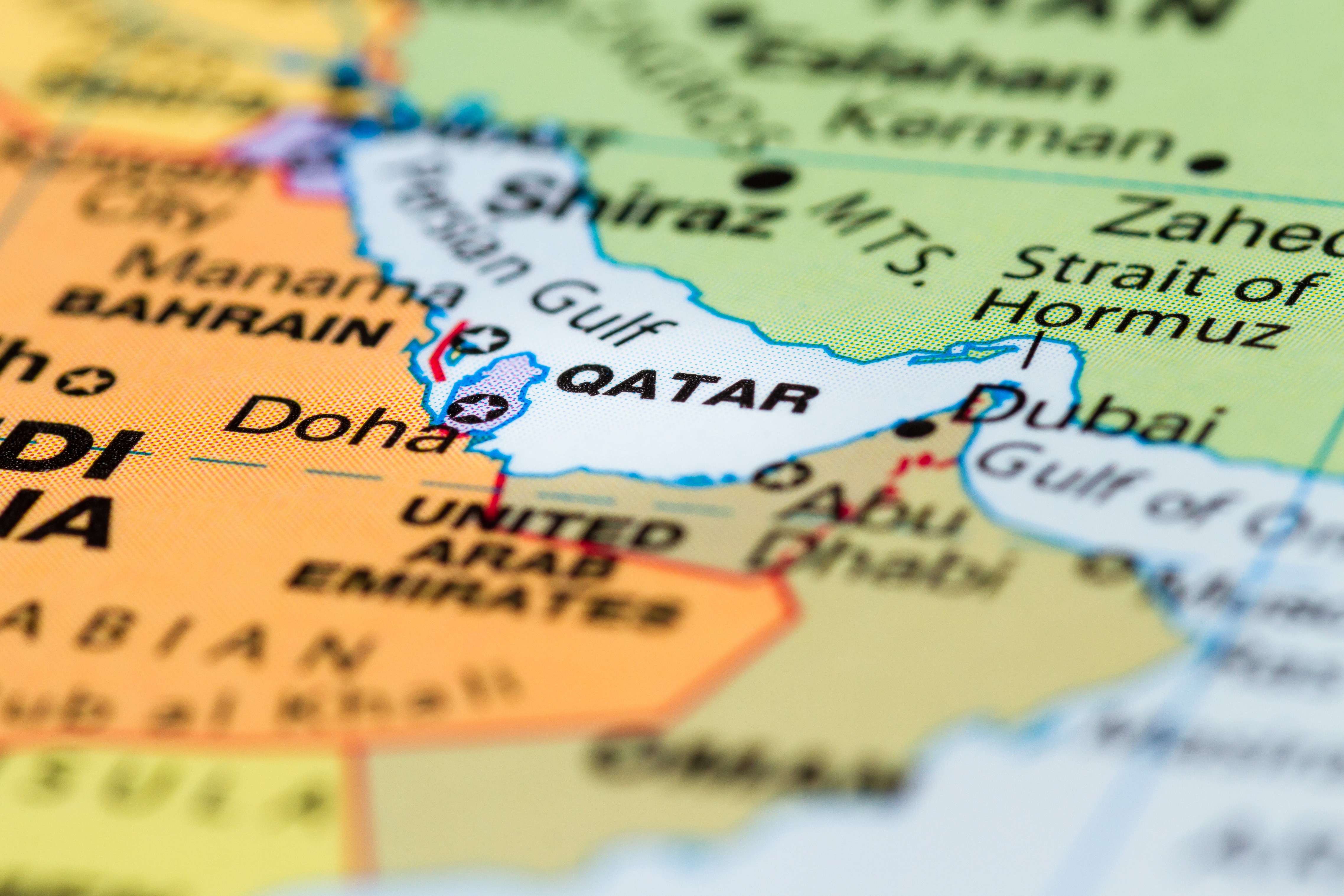
Few regions illustrate this dynamic more clearly than the Strait of Hormuz, one of the world’s most critical maritime chokepoints, through which roughly 20% of global oil trade passes.
During periods of heightened regional tension, war risk insurance premiums for vessels transiting the area can increase dramatically. Market observations have seen premiums rise from roughly 0.25% of a vessel’s insured value to as high as 1–1.5% per voyage.
For a tanker valued at $100 million, that translates into an additional $250,000 to $1.5 million per transit. Costs at that scale quickly raise questions around war risk clauses, safe port obligations and deviation rights under the charter party.
A typical CONWARTIME clause, widely used in tanker and bulk charter parties, allows owners to refuse orders or demand additional compensation if a vessel may be exposed to war risks.
At the same time, safe port warranties and liberty clauses can trigger disputes if vessels deviate from their planned route or refuse to call at nominated ports.
In practice, these clauses rarely operate in isolation. They intersect with operational realities such as longer sailing routes, higher bunker consumption, delays and ultimately claims.

Managing laytime claims in a volatile operating environment
Our webinar Disruption, Delay, Dollars: Mastering Laytime Claims explores how operators approach delays, documentation and disputes when voyages deviate from plan.
From claims to insight
For many shipping companies, the challenge is not simply managing disputes once they arise. It is understanding where contractual and operational risks intersect earlier in the voyage lifecycle.
This is where better data connectivity across maritime operations is beginning to change how decisions are made.
At Marcura, platforms such as PortLog and Marcura Claims help operators connect three areas that historically sat in separate silos:
• Operational data from port calls
• Claims and dispute patterns
• Charter party obligations
PortLog, for example, provides visibility into port turnaround performance and cost drivers, helping operators identify operational conditions that frequently lead to delays and disputes.
Marcura Claims structures claims data in a way that allows companies to identify recurring contractual issues — whether related to laytime interpretation, documentation gaps or clause application.
When these data points are connected, companies move beyond resolving disputes toward anticipating them.
A shift in maritime decision-making
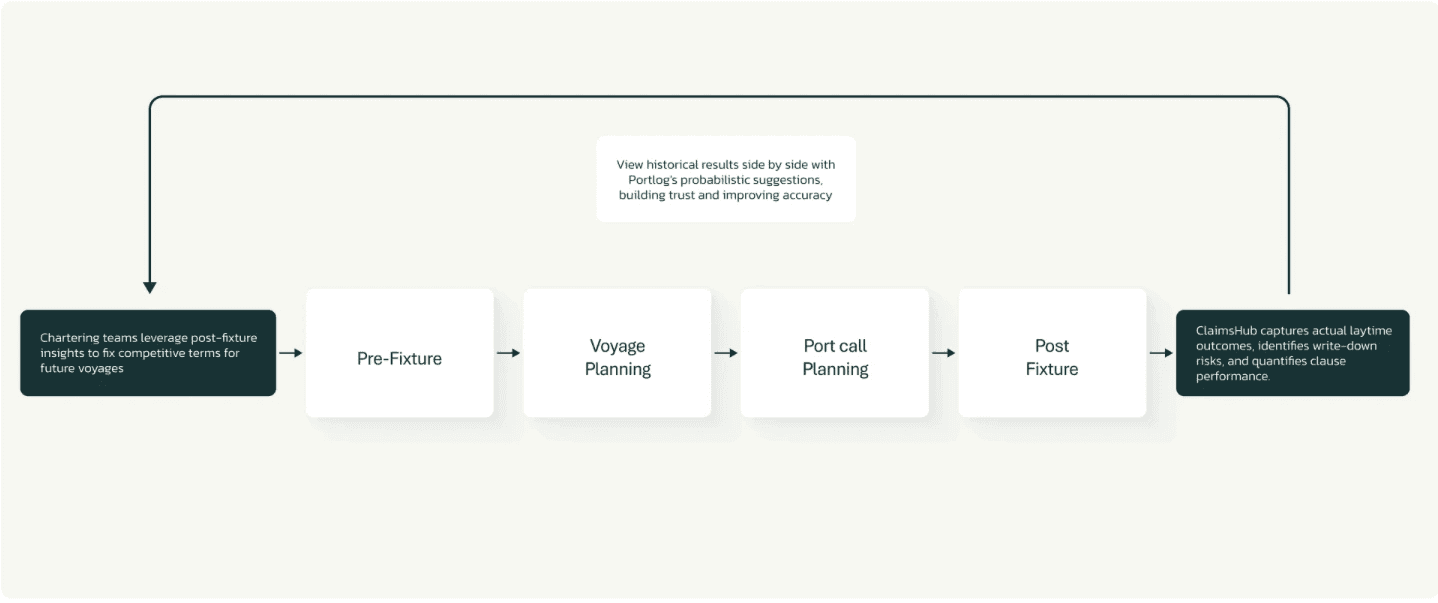
Historically, insights from claims cases often remained fragmented, sitting with legal teams, P&I correspondents or claims departments.
Operational teams negotiating the next voyage rarely had direct access to those lessons.
What is now emerging is a different model, one where claims experience, operational data and contractual analysis are combined into actionable intelligence.
In practical terms, the industry is beginning to move from:
Claims → Knowledge → Decision intelligence
In an environment shaped by geopolitical risk, complex charter parties and tightening margins, that shift may prove critical in helping operators anticipate charter party risk and avoid disputes before they happen.
Discover how Marcura combines AI with expert claims management to resolve laytime and demurrage disputes faster.
A smarter way to manage laytime and demurrage claims
Read more
recent news

The complete laytime claims solution
Save your FTE time processing claims, reduce expensive mistakes and help eliminate disputes
Posidonia 2026
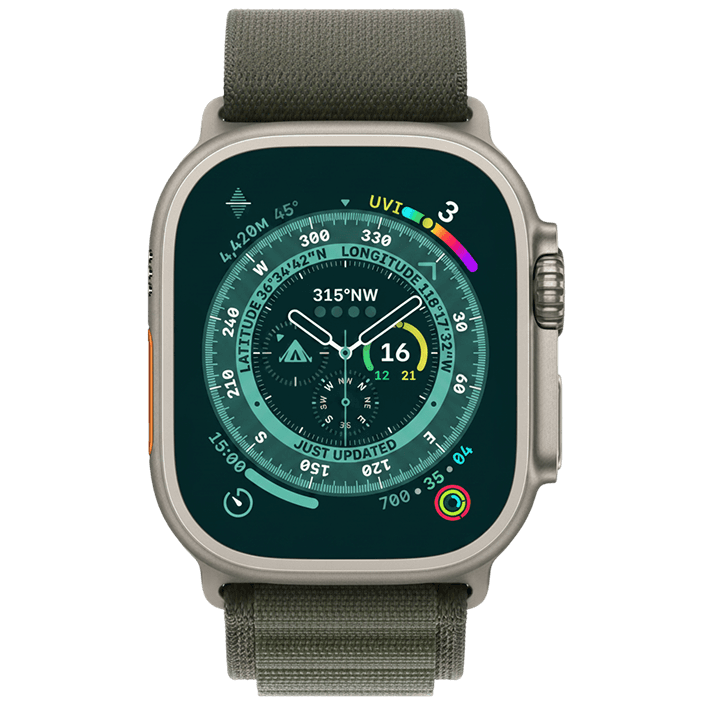
Win an Apple Watch Series SE 3.
Enter the Marcura draw. Winners announced live in Athens. Entries close 5th June 2026.