了解港口,了解风险 更智能的预租决策 · PortLog网络研讨会 · 3月18日

了解港口,了解风险 更聪明的预先租船决策 · PortLog 网络研讨会 · 3月18日

Ready to

get started?

Fieke Nijland is Vice President, Legal Counsel at Emirates Shipping Line, with more than twenty years' experience across commodity trading, dry bulk, LNG, and container shipping.

Five thousand containers, five thousand compliance checks

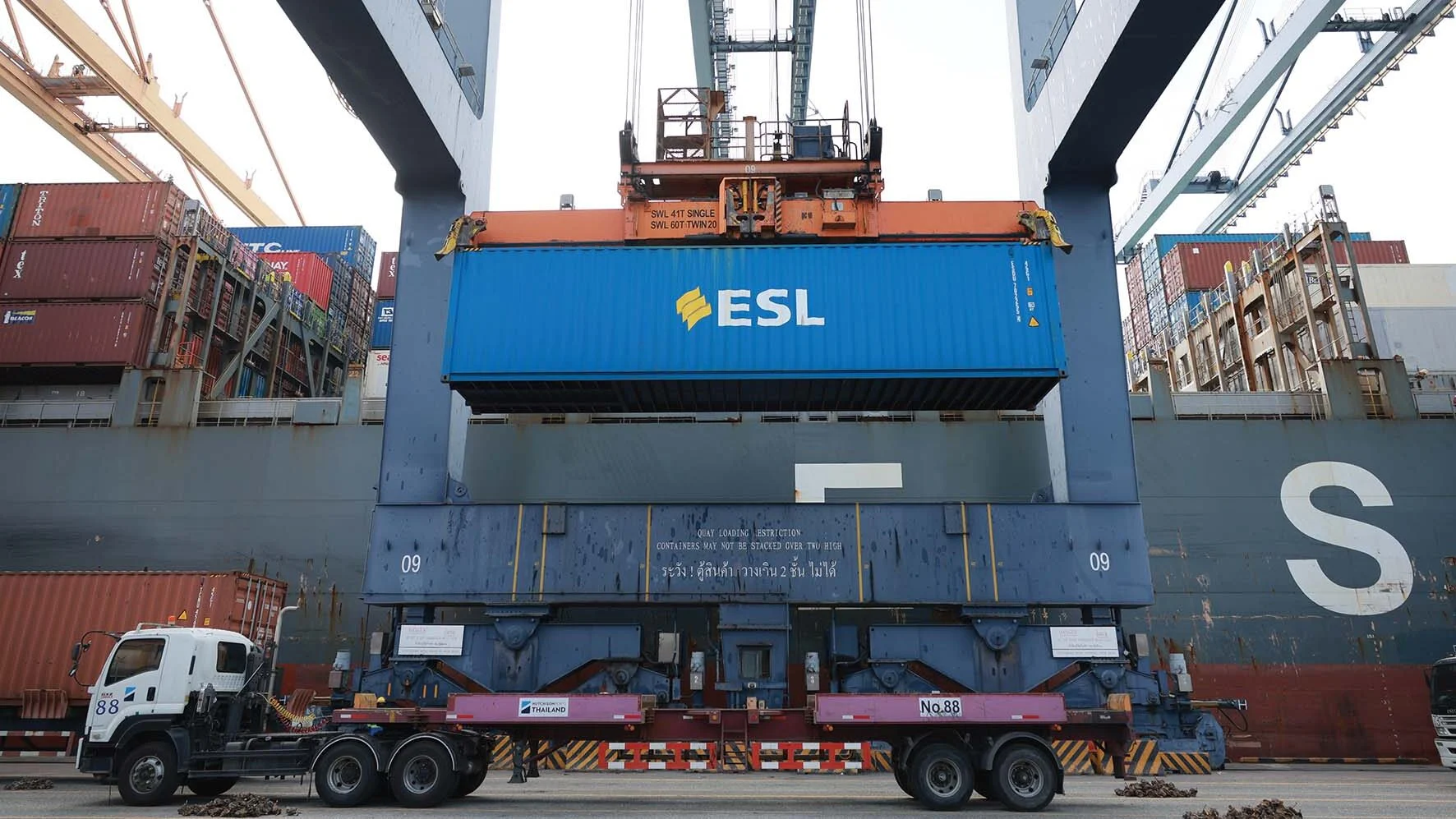
“In container shipping, a single vessel might carry five thousand containers. So theoretically, you could have five thousand bills of lading, each with a shipper and a consignee. Some containers carry multiple cargoes from different parties. 

“You only fully know who the shipper is when cargo is presented at the port. That leaves very little time to complete due diligence before containers are loaded. If results come back too late and a problem cargo is already aboard, you're into mitigation territory."

“Sanctions compliance used to be simpler. Twenty years ago, you knew which countries were off limits, you avoided them, and that was largely the end of it. Today the regulatory landscape is more complex. Libya, Syria, Russia, each conflict has added new sanctions territory to navigate. "

The right-sized approach to screening

“Compliance is handled by a team across various departments at Emirates Shipping Line, and escalation sits within my remit. There are very large shipping lines capable of doing screening themselves, which needs a lot of manpower. ESL believes in using technology driven solutions for this and  sit in a sweet spot of company size where it makes sense to get a specialist involved. 

“That's why we work with Marcura. We have a team in India who prepare the data from our bill of lading information. They send it to Marcura for screening, receive the results back, and analyse them. When something flags such as a potential sanctions match or a concern about cargo, it escalates to me and a few colleagues.  

Configured for relevance, not noise

“We have redundancy in the system so multiple people see every red flag. Then we look at it, determine whether it's a genuine concern or maybe a confusion with the name or location, gather more information if needed, and take it from there. 

“What helps is that we can specify which sanctions regimes are relevant to us and the system is configured to filter out the rest. Whatever is sanctioned in Brazil is completely irrelevant to me because we don't call Brazil. Certain flags carry higher risk, certain jurisdictionsneed closer scrutiny, and the system reflects that. 

Faster results through shared intelligence

“When I send a party for screening, there's a good chance Marcura has already screened them in the past for either ourselves or someone else. If I give Marcura an IMO number for a vessel I'm chartering, and it's a commonly used vessel in that trade, I can get a report relatively quickly, because they likely already have data on it.  

“In the current regulatory landscape, Governments may impose sanctions, but it’s companies and their financial partners who need to take steps to police them.  

“That reality shapes how we think about compliance investment. Avoiding fines is one thing, but more than that, it’s about maintaining the relationships and access that let us operate. Screening isn't an overhead cost, it's a condition of doing responsible business.” 

Drive efficiency and take control of your operations

Speak to one of our Maritime experts today

Drive efficiency and take control of your operations

Speak to one of our Maritime experts today

Drive efficiency and take control of your operations

Speak to one of our Maritime experts today

Drive efficiency and take control of your operations

Speak to one of our Maritime experts today

Products

Solutions

Marcura AI

Resources

Careers

Products

Solutions

Marcura AI

Resources

Careers